


Blog
Tariff Resistant Restaurant Supplies
Restaurant Supplies Price Stability Tips: Tariff-Proof Products Guide
Many essential restaurant supplies not affected by tariffs can maintain price stability even in the face of changing trade policies, especially when you know what to look for and work with the right suppliers. Understanding which restaurant supplies avoid tariffs is crucial for maintaining predictable operating costs. Here, we look at some restaurant supplies that are more resistant to tariffs and provide tips on how to control costs for your restaurant.
The Reality of Tariff Impact on Restaurant Supplies
While tariffs have certainly affected the restaurant supply industry, the impact varies significantly depending on the products you choose and how your suppliers manage their relationships with manufacturers.
At Unique Manufacturing, we’ve navigated tariff changes by working directly with our overseas partners to renegotiate pricing structures, allowing us to maintain competitive prices for our customers. Our focus on tariff-proof restaurant products has helped countless restaurants maintain stable budgets.
“While extreme tariff rates of 145% would have been challenging for any business, we strategically managed our supply chain to avoid those peak rates,” explains Steve Morrison, owner of Unique Manufacturing. “The 30% tariffs we did encounter actually created an opportunity for us to strengthen our relationships with manufacturing partners and renegotiate pricing structures, ultimately achieving lower unit costs that we can pass on to our customers.”
Products That Offer Maximum Price Stability
1. USA-Made Products
The most tariff-resistant option is sourcing restaurant supplies made in the USA. Napkin bands, for example, can be manufactured right here in the United States. These restaurant supplies not affected by tariffs completely avoid international trade complications while often providing competitive pricing due to reduced shipping costs and shorter lead times. Restaurant supplies made in the USA represent the ultimate solution for tariff avoidance.
2. Bamboo Products
Bamboo-based restaurant supplies offer exceptional price stability for several reasons. First, bamboo is abundantly available in regions like China, where efficient growing and processing systems keep costs low.
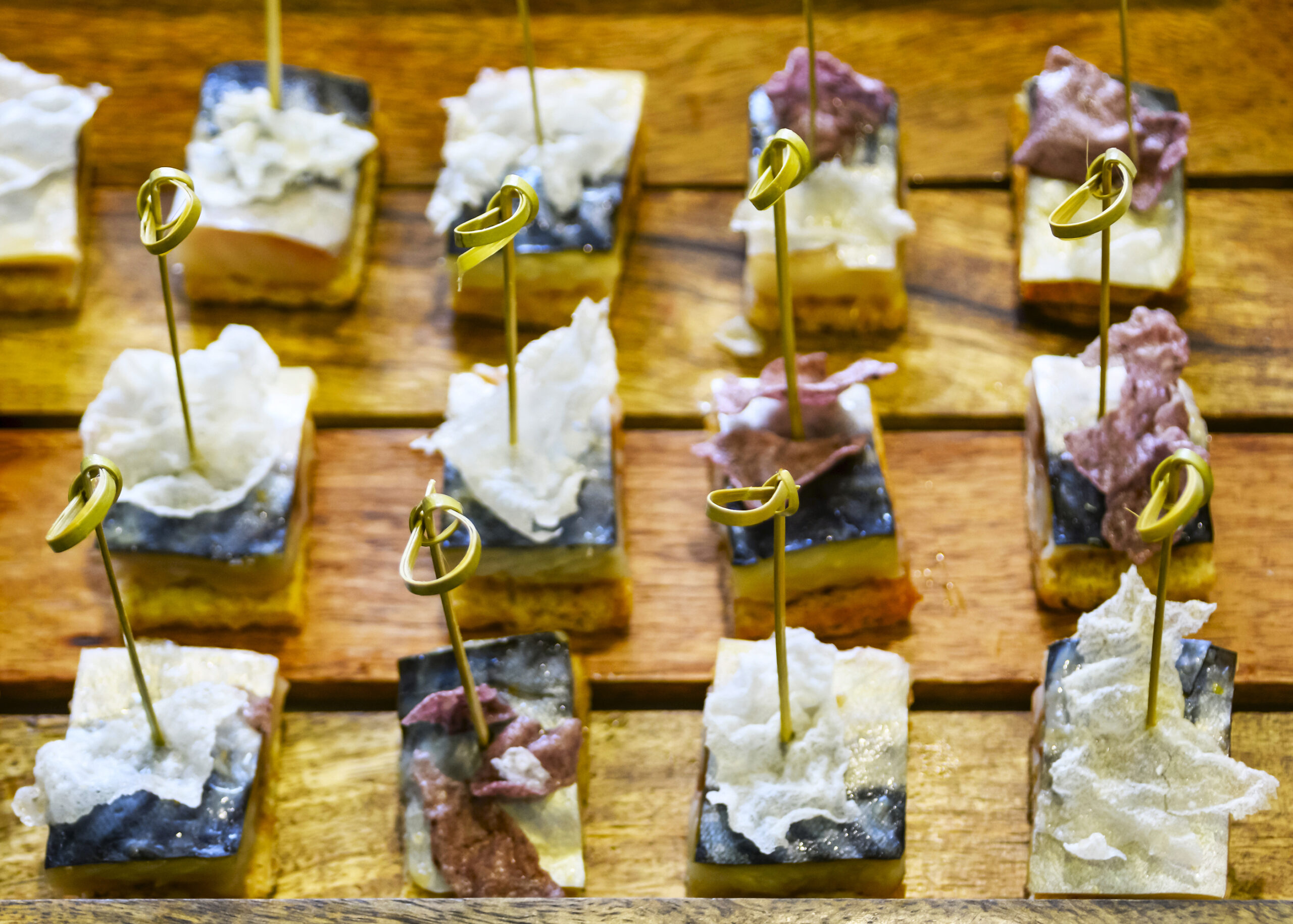
Products like bamboo picks typically cost restaurants between one and two cents per piece, making them affordable even with tariff considerations. These tariff-proof restaurant products maintain their value proposition regardless of trade policy changes.
The low base cost of bamboo products means that even with tariff increases, the final price remains manageable for restaurants. “Bamboo picks typically cost between one and two cents per piece,” Morrison explains. “This low unit cost ensures that restaurants can maintain their current presentation standards without significant budget impact, even when factoring in tariff considerations.”
3. Products With Flexible Pricing Structures
Items with established value propositions and competitive market positioning offer more stability during tariff fluctuations. Suppliers who have built strong relationships with manufacturers can often negotiate adjusted pricing structures that absorb increased costs without dramatic price changes for end customers. This approach allows for price stability while maintaining product quality and service levels.
Key Strategies for Price Stability and Finding Tariff-Proof Restaurant Products
Tip #1: Work With Established Suppliers
Choose suppliers who have direct relationships with manufacturers, including those overseas, and the flexibility to renegotiate pricing when market conditions change to maintain competitive costs. Companies that have been in business for several years and weathered previous trade disputes are more likely to have systems in place to manage cost fluctuations. These restaurant supplies price stability tips are essential for long-term planning.
Tip #2: Focus on Quality Over Rock-Bottom Pricing
While it might be tempting to choose the cheapest option available, suppliers who maintain quality standards are often better positioned to provide long-term price stability. They typically have stronger relationships with manufacturers and more flexibility in their pricing structures. While some companies cut corners by making items shorter or thinner, it’s still important to focus on quality–a detail your customers will notice and appreciate.
Tip #3: Consider Bulk Purchasing of Restaurant Supplies Made in the USA
Many restaurant supplies have excellent shelf life properties. For example, bamboo and wood products, when stored properly, can last two years or more. Purchasing larger quantities when prices are stable can provide protection against future increases. Work with suppliers who offer bulk purchasing and pricing, allowing you to safely stock larger quantities during favorable pricing periods.
Tip #4: Take Advantage of Top-Notch Service
Beyond just product pricing, consider the total cost of doing business with a supplier. Fast shipping, same-day service, and reliable customer support can offset minor price differences while reducing your operational stress. As Morrison notes, “Our primary competitive advantage lies in the quality of service we provide. We consistently deliver same-day and next-day shipping, significantly outpacing industry standards and ensuring our customers can maintain reliable inventory levels.”
Looking Forward
The key to navigating tariff uncertainty is working with suppliers who are transparent about their pricing strategies and have proven track records of maintaining stable costs through market volatility. While no one can predict exactly how trade policies will evolve, choosing the right products and suppliers can provide significant protection for your restaurant’s bottom line. Interested in exploring high-quality restaurant supplies at competitive prices? Check out Unique Manufacturing’s products.